Cursor Model Comparison: Which One to Pick
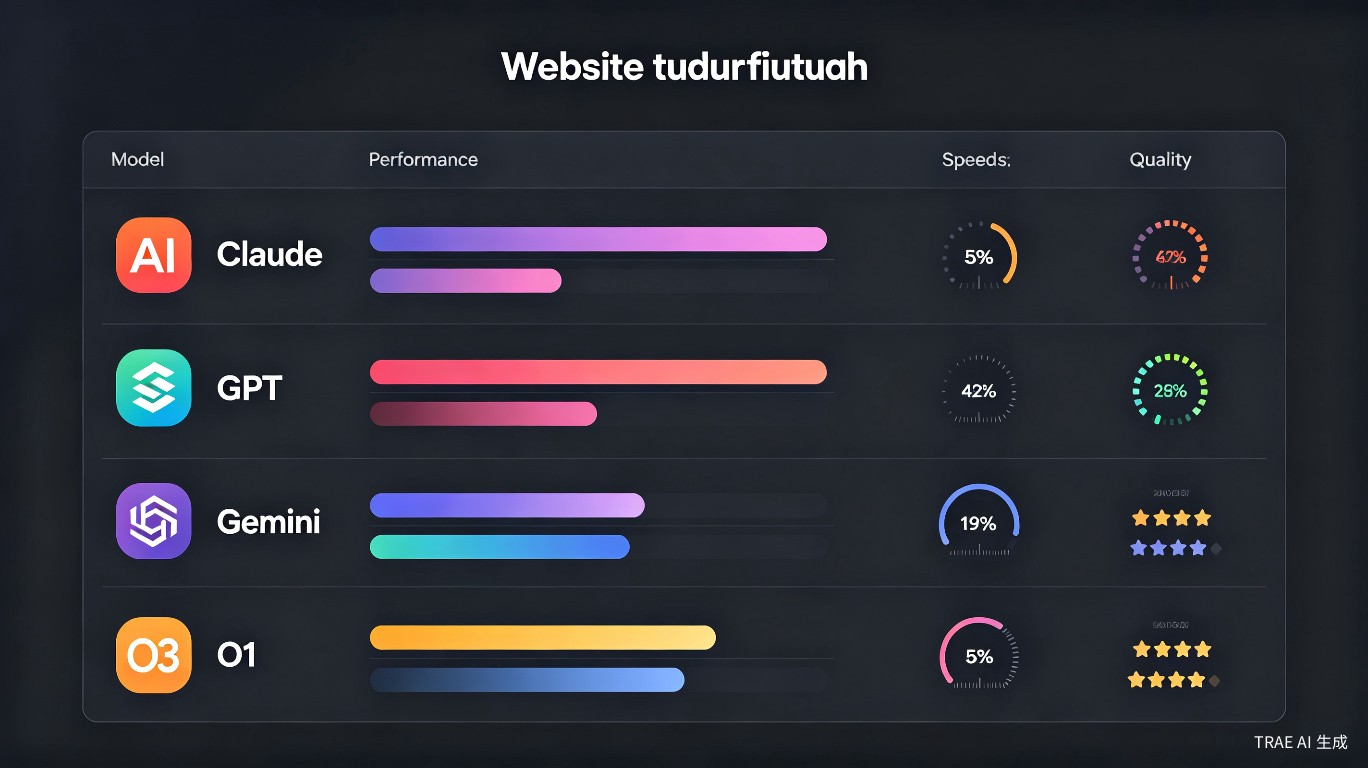
With so many models available in Cursor, choosing the right one for each task is confusing. The community thread with 32 replies surfaced the same questions repeatedly: Which model is fastest? Which writes the best code? Which one won't burn through my request limit? This guide answers those questions with direct comparisons and clear recommendations.
The Complete Model Table
Here's every model available in Cursor as of mid-2025, compared across the dimensions that actually matter for coding.
| Model | Provider | Speed | Code Quality | Reasoning | Context Window | Cost Tier |
|---|---|---|---|---|---|---|
| Claude Sonnet 4 | Anthropic | Fast | Excellent | Good | 200K tokens | Premium |
| Claude Opus | Anthropic | Slow | Outstanding | Excellent | 200K tokens | Premium |
| Claude 3.5 Sonnet | Anthropic | Fast | Very Good | Good | 200K tokens | Standard |
| GPT-4o | OpenAI | Very Fast | Good | Fair | 128K tokens | Standard |
| GPT-4o mini | OpenAI | Very Fast | Fair | Fair | 128K tokens | Standard |
| GPT-5 | OpenAI | Medium | Fair* | Good | 128K tokens | Premium |
| o1 | OpenAI | Slow | Good | Outstanding | 200K tokens | Premium |
| o3-mini | OpenAI | Medium | Good | Excellent | 200K tokens | Premium |
| Gemini 2.5 Pro | Medium | Good | Good | 1M tokens | Premium | |
| Cheetah | Cursor | Very Fast | N/A | N/A | Varies | Free |
* GPT-5 received significant negative feedback in the Cursor community for coding tasks. See the detailed section below.
- Standard requests: Included in larger quantities, used by faster/cheaper models
- Premium requests: Limited resource, used by high-quality models
- Free: Cheetah for Tab completions doesn't count against any limit
Speed Comparison
Response speed matters when you're in flow state. Here's how the models rank:
| Rank | Model | Typical Response Time | Best Use Case |
|---|---|---|---|
| 1 | Cheetah (Tab) | < 500ms | Inline completions |
| 2 | GPT-4o mini | 1-3 seconds | Quick fixes |
| 3 | GPT-4o | 2-5 seconds | General questions |
| 4 | Claude Sonnet 4 | 3-8 seconds | Daily coding |
| 5 | Claude 3.5 Sonnet | 3-8 seconds | Daily coding |
| 6 | o3-mini | 10-30 seconds | Reasoning tasks |
| 7 | Gemini 2.5 Pro | 10-20 seconds | Large context tasks |
| 8 | GPT-5 | 15-25 seconds | General tasks |
| 9 | Claude Opus | 20-40 seconds | Complex problems |
| 10 | o1 | 30-60+ seconds | Hard reasoning |
For interactive coding, models faster than 10 seconds feel responsive. When you need to think anyway (reading docs, planning), the slower models don't hurt as much.
Code Quality Rankings
"Code quality" means correctness, idiomatic style, following instructions, and not introducing bugs.
Overall Code Quality (Community Consensus)
Based on aggregated forum feedback and real-world testing:
| Rank | Model | Why It Ranks Here |
|---|---|---|
| 1 | Claude Opus | Best overall, but expensive and slow |
| 2 | Claude Sonnet 4 | Best balance of quality and speed |
| 3 | Claude 3.5 Sonnet | Solid, slightly behind Sonnet 4 |
| 4 | o3-mini | Correct but less idiomatic |
| 5 | o1 | Correct but verbose and slow |
| 6 | GPT-4o | Good for simple tasks, misses edge cases |
| 7 | Gemini 2.5 Pro | Decent, context window is the selling point |
| 8 | GPT-4o mini | Acceptable for trivial tasks |
| 9 | GPT-5 | Significant quality issues reported by users |
Code Quality by Language
Different models perform better with different languages:
| Language | Best Model | Runner-up |
|---|---|---|
| TypeScript/JavaScript | Claude Sonnet 4 | Claude Opus |
| Python | Claude Sonnet 4 | o3-mini |
| Rust | Claude Opus | Claude Sonnet 4 |
| Go | Claude Sonnet 4 | GPT-4o |
| C# | Claude Sonnet 4 | o3-mini |
| Java | Claude Sonnet 4 | GPT-4o |
| SQL | Claude Sonnet 4 | o1 |
| Shell/Bash | GPT-4o | Claude Sonnet 4 |
Cost Analysis
Understanding real costs helps you make informed choices.
Plan Limits
| Plan | Monthly Cost | Premium Requests | Standard Requests |
|---|---|---|---|
| Free | $0 | Limited | Limited |
| Pro | $20 | 500 | 500 fast |
| Business | $40 | 1000 | Unlimited fast |
Cost Efficiency by Model
If you're on the Pro plan with 500 premium requests, here's how far each model stretches:
| Model | Requests per Month | Best For |
|---|---|---|
| Claude Sonnet 4 | 500 | Daily driver for quality work |
| Claude Opus | ~100-150 | Specialist for hard problems only |
| o3-mini | 500 | Reasoning tasks |
| o1 | ~100-200 | Only when o3-mini fails |
| Gemini 2.5 Pro | 500 | Large codebase analysis |
| GPT-5 | 500 | Not recommended for coding |
Claude Opus consumes premium requests at the same rate as Sonnet, but users report needing multiple Opus requests for large tasks. Budget accordingly.
The API Key Alternative
If you consistently hit limits, consider bringing your own API keys:
| Provider | Setup | Best For |
|---|---|---|
| Anthropic (Claude) | Add API key in Cursor settings | Heavy Claude users |
| OpenAI | Add API key in Cursor settings | O1/o3-mini users |
| Google (Gemini) | Add API key in Cursor settings | Long context needs |
Task-Specific Recommendations
This is the section to bookmark. For any task, here's the model to use.
Daily Development Tasks
| Task | Recommended Model | Alternative |
|---|---|---|
| Writing new features | Claude Sonnet 4 | Claude 3.5 Sonnet |
| Code review | Claude Sonnet 4 | Claude Opus (for critical code) |
| Refactoring | Claude Sonnet 4 | Claude Opus (large refactors) |
| Writing tests | Claude Sonnet 4 | GPT-4o |
| Documentation | GPT-4o | Claude Sonnet 4 |
| Quick fixes | GPT-4o mini | GPT-4o |
| Inline completion | Cheetah (automatic) | N/A |
Specialized Tasks
| Task | Recommended Model | Why |
|---|---|---|
| Algorithm design | o3-mini | Reasoning capabilities |
| Debugging logic errors | o3-mini or o1 | Step-by-step analysis |
| Security audit | o1 | Deep reasoning for vulnerabilities |
| Architecture decisions | Claude Opus | Best big-picture thinking |
| Large codebase analysis | Gemini 2.5 Pro | 1M token context |
| Performance optimization | o3-mini | Analyzes complexity well |
| Regex writing | Claude Sonnet 4 | Consistently correct |
| Database queries | Claude Sonnet 4 | SQL quality |
What NOT to Use Each Model For
| Model | Avoid For | Reason |
|---|---|---|
| Claude Opus | Quick tasks | Overkill, wastes premium requests |
| o1 | Simple coding | Too slow and expensive |
| o3-mini | Style-heavy code | Less idiomatic output |
| GPT-5 | Any coding | Community reports poor quality |
| Gemini 2.5 Pro | Small tasks | Context window is wasted |
| GPT-4o mini | Complex logic | Not capable enough |
Plan-Specific Recommendations
Free Plan Users
You have limited requests. Use them wisely:
- Default to GPT-4o mini for everything possible
- Use Claude Sonnet 4 sparingly for critical code
- Cheetah Tab is your friend -- it's free and always on
Pro Plan Users ($20/month)
With 500 premium requests, you can be strategic:
Recommended monthly budget:
- Claude Sonnet 4: 350 requests (70%) -- daily driver
- o3-mini: 100 requests (20%) -- reasoning tasks
- Claude Opus: 50 requests (10%) -- emergencies only
Business Plan Users ($40/month)
With 1000 premium requests and unlimited fast requests:
Recommended monthly budget:
- Claude Sonnet 4: 600 requests (60%) -- daily driver
- o3-mini: 200 requests (20%) -- reasoning tasks
- Claude Opus: 150 requests (15%) -- complex work
- o1: 50 requests (5%) -- hardest problems
Model Availability by Region
Some models have regional restrictions due to provider policies:
| Model | Global | EU | China |
|---|---|---|---|
| Claude models | Yes | Yes | Limited |
| GPT-4o / GPT-4o mini | Yes | Yes | Limited |
| GPT-5 | Yes | Yes | Limited |
| o1 / o3-mini | Yes | Yes | Limited |
| Gemini 2.5 Pro | Yes | Yes | Limited |
| Cheetah | Yes | Yes | Yes |
If a model doesn't appear in your dropdown, check your region and subscription. Some models require both Pro subscription and geographic availability.
Summary
Choosing a model in Cursor doesn't have to be complicated. Here's the simplest possible decision framework:
Default to Claude Sonnet 4. It has the best combination of code quality, speed, and cost for daily development work.
Switch to a specialist when needed:
- Hard logic problems -> o3-mini
- Massive refactors -> Claude Opus
- Huge codebases -> Gemini 2.5 Pro
- Simple quick tasks -> GPT-4o mini
Avoid GPT-5 for coding based on consistent community feedback.
Let Cheetah handle Tab completions -- it's free and works automatically.
The models are tools. Use the right one for the job, and you'll get better results while making your request budget last longer.